1979
A 14-year-old gets a callsign
HF bands, a 5BTV vertical, a few homemade dipoles, and the first conversations across an ocean. The callsign HI8RMQ has been with me ever since.
CWDigital5BTVSoftware engineer since the 1986. Radio amateur since 1979. Audio archivist for the Dominican National Symphony. Forty years of building, shipping, and listening — from one small island.
I write software, and I have been writing it for so long that the languages have buried themselves like geological layers — Assembler under Cobol under Clipper under VB6 under .NET — with a thin recent layer of AI on top.
I started before there was an Internet to consult, with a single mentor and a manual for the Intel 8088. I have written code for mainframes, for airline reservation systems, for elections, for customs brokers, for credit-card terminals, for Android phones, and — most recently — for ERP portals that talk to large language models.
Outside the screen, two things have stayed with me since I was a teenager: amateur radio, and the careful capture of sound. The first earned me the callsign HI8RMQ in 1979. The second filled my house with reel-to-reels, DAT machines, and eventually five years of weekends recording the Dominican National Symphony Orchestra.
HF bands, a 5BTV vertical, a few homemade dipoles, and the first conversations across an ocean. The callsign HI8RMQ has been with me ever since.
CWDigital5BTVGraduated Loyola High School (Santo Domingo) — recognized by my classmates as the student with the strongest drive to improve. The same year I began Information Systems Engineering at INTEC, where I served as student representative on the discipline committee and as lab assistant for microcomputers — tutoring fellow students in Pascal, Cobol, Basic, Fortran and RPG.

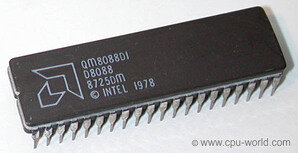
No Internet, almost no documentation. With the help of Engineer Fernando Hirujo, I learned the foundations of low-level programming. Some of what came out of that period:
DiskLed FastDisplay MessageWindow ShellSort SaveAndRestoreScreen RAMGEN COBGEN
RAMGEN was a screen editor that, given a designed DOS screen, generated source code in eight different programming languages — RmCobol, Microfocus Cobol, Turbo C, Turbo Pascal, QuickBasic, GwBasic, dBase, and more. COBGEN built complete data-entry and reporting programs for RmCobol from a template plus a file description.
Programmer-Analyst at Compañía Dominicana de Teléfonos (Codetel), an AT&T division. Office systems for various departments — dBase, Cobol — running on a Wang mainframe and on PCs. From 1989, business software for Empresas J. Gassó in RmCobol on an IBM/36.
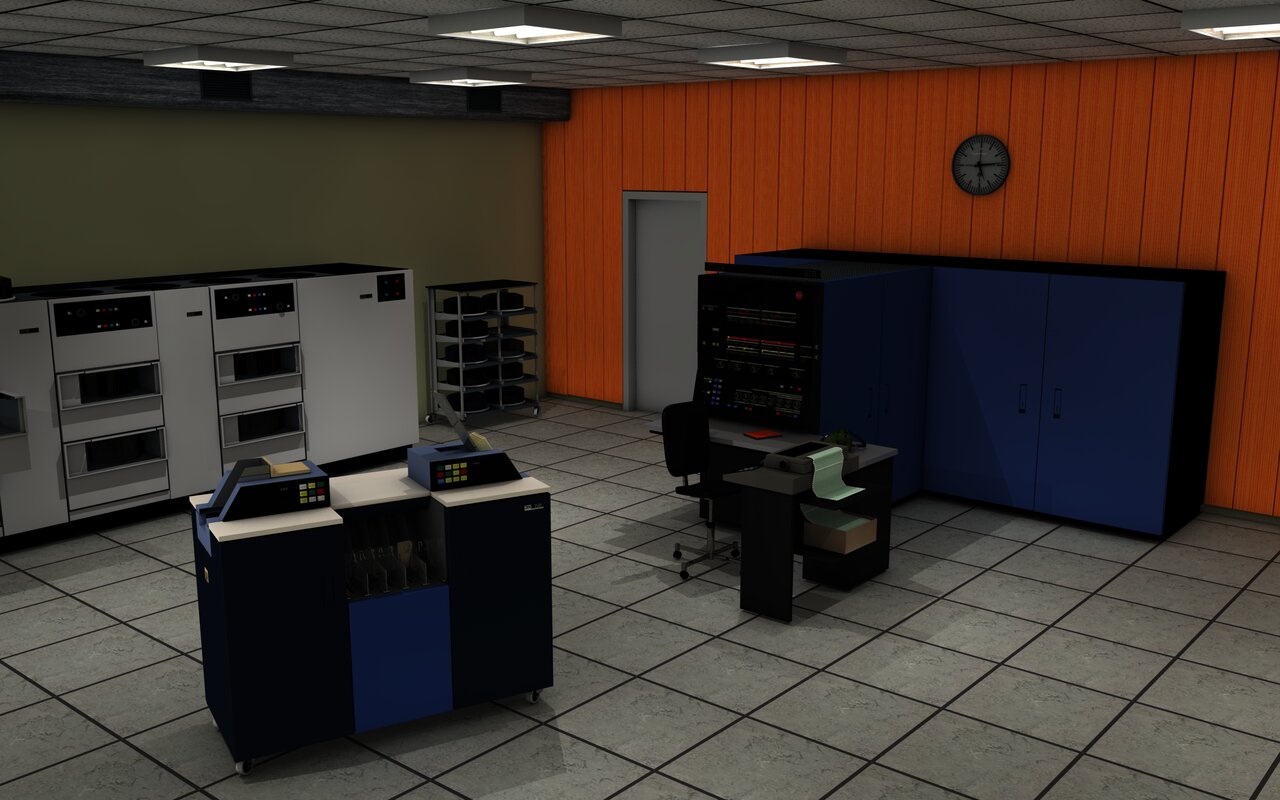
Programming IPARS — the International Programmed Airline Reservations System, originally built by IBM with British Airways (then BOAC) in the 1960s. The international cousin of the original PARS.
The OS was ACP (Airline Control Program), which later evolved into TPF. Programs were written in ALCS, a low-level high-performance assembler that let the system handle thousands of transactions per second on modest hardware. By the early 90s it commonly ran on the IBM 4361.
ACP / TPFALCS AssemblerIBM 4361For the 1994 Dominican presidential elections, I built the vote-tabulation system for the PRD computing center. Data flowed in from terminals deployed across the country into a central Unix machine. Built under heavy time pressure in Cobol — and it worked.
Recordable CDs arrived. As an audiophile I assembled a chain — Sony DAT, the bit-perfect Zefiro Acoustics ZA2 sound card, a Thorens turntable, a PS Audio preamp, Infinity RS-6000 monitors — and offered vinyl-to-CD transfers and professional audio editing for several years.
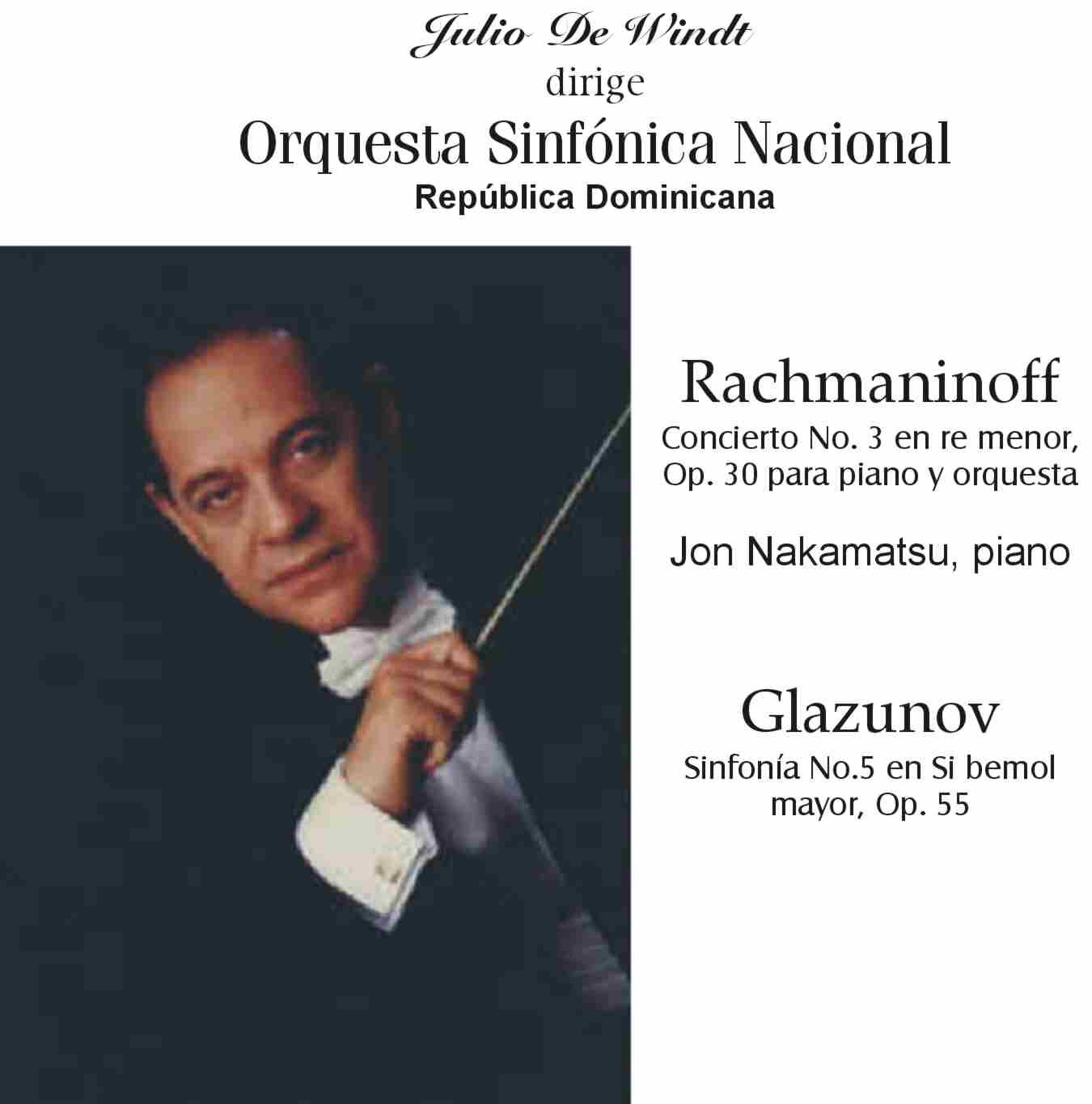
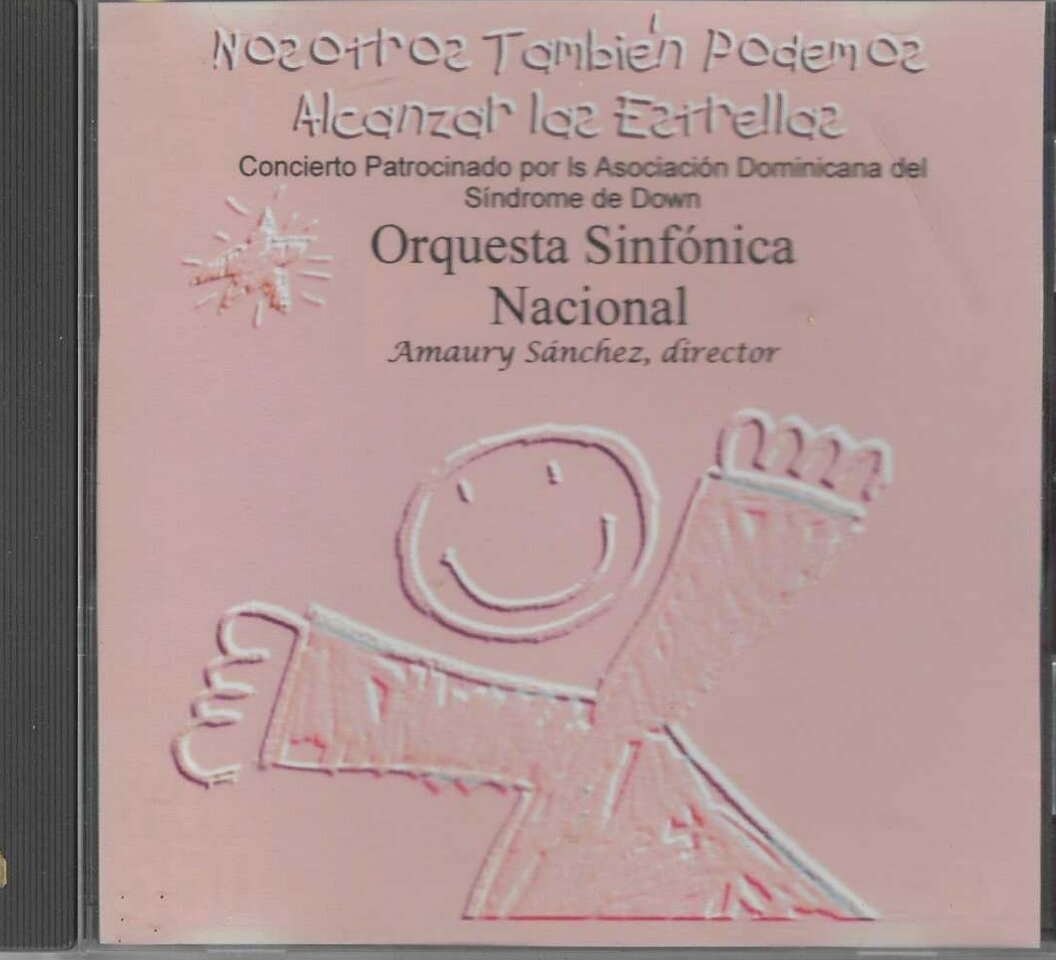
From 1995 to 2000 I volunteered to record every concert of the Dominican National Symphony Orchestra. The director and friend Dr. Julio De Windt accepted. Sony DAT into a Yamaha PM4000 console, Audio-Technica high-end microphones. After editing in Sound Forge, the refined concerts were pressed to CD for free distribution and the orchestra's own study. Each year I produced a Best of collection — handling cover design and the booklet inside the CD myself.
At Linktech Dominicana I specialized in serial-port plumbing — the unglamorous middle layer that made expensive things possible. We built drivers and services for Toledo industrial scales (including truck-weighing), chip-card programmers, and a custom modem-switch simulator that let banks accept Verifone POS traffic on a four-port RS-232 card instead of buying expensive dial-up modem switches. It saved them thousands.
The same year, I shipped a small Y2K fix for the popular Verifone Tranz 330 terminal — a quick patch to the credit-card authorization program that let the unit happily roll into the year 2000. By then the banks had already replaced them. A waste, in hindsight.
RS-232CVB6Ingenico POS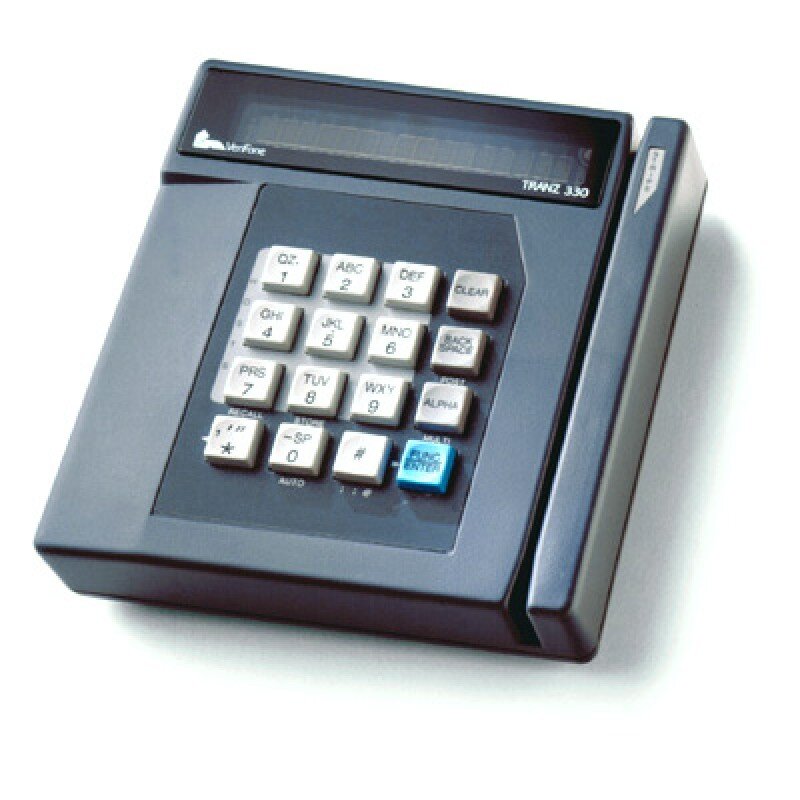
When the financial crisis settled, I spent a stretch of years trading on the TradeStation platform. The trading was a way of learning a new field; the residue was code — tens of EasyLanguage scripts I wrote to scratch every itch the platform left unscratched: custom indicators, strategies, screeners, position-sizing helpers.
TradeStationEasyLanguageIndicatorsStrategies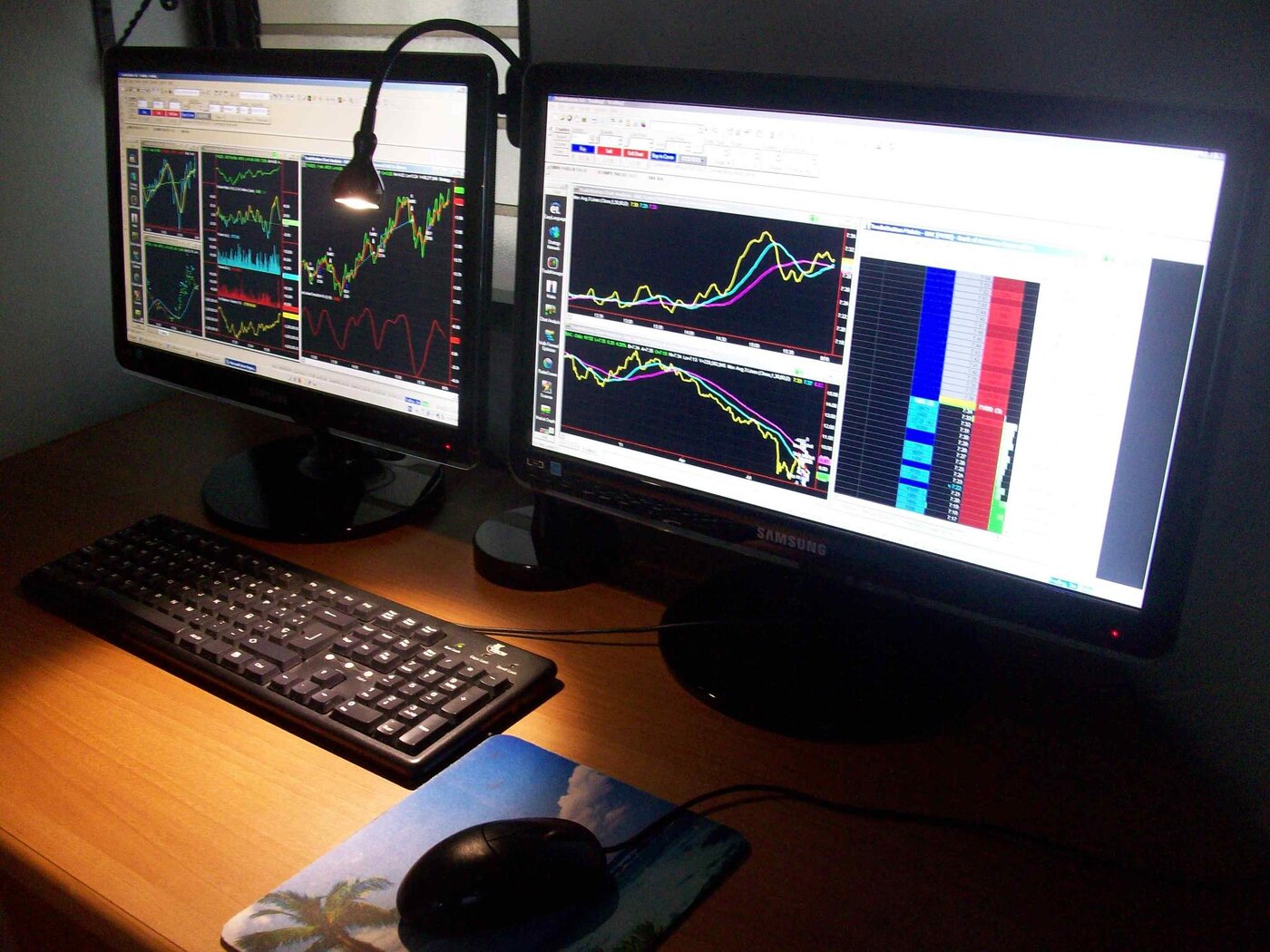
Asistente Aduanal, a tool for customs brokers, became a quiet hit — hundreds of copies sold, dozens of clients still using it across more than ten versions. Originally Clipper, then VB6 on Windows. Today: ASP.NET portals on SQL Server, an Android invoicing app on Google Play in six languages, direct e-NCF certification for four companies, and recent integrations with ChatGPT and Claude APIs.
Transferring vinyl and cassette to CD by hand was tedious — the operator had to mark every track. So I modified the Zefiro ZA2 recording program (in C) to compute the RMS of the incoming signal in real time and switch to a new file whenever it dropped below a threshold.
The silences between songs detected themselves. Cassettes — through a Nakamichi LX-5 or a Tandberg 3014 — split into tracks automatically. A small thing that saved entire afternoons.
It was an offer, not a job — to record every Dominican National Symphony concert for free. Dr. Julio De Windt said yes. Sony DAT cabled into the Yamaha PM4000 in the hall, Audio-Technica capsules placed by ear, then long evenings in Sound Forge cleaning room tone, balancing the strings.
Each year became a CD. I designed the covers and wrote the booklets. Dozens of recordings still exist because I happened to be there with a tape running.
RAMGEN let me draw a DOS data-entry screen with the usual attributes — high, low, reverse, color — and then emit the source code that would render that screen, in eight different languages: RmCobol, Microfocus Cobol, Turbo C, Turbo Pascal, QuickBasic, GwBasic, dBase, and others. The screen was the design tool; the languages were just the output format. A code generator before the term was common.
The Tranz 330 was the dominant POS terminal of its time. Banks were tearing them out for Y2K. I cracked open the Visa data structures in the manual, looked at the terminal config, and confirmed only two date digits. A modification to the credit-card authorization program let the device run cleanly into the new century.
By the time it shipped, the banks had already replaced every unit. The patch worked perfectly. Nobody needed it.
A long-running Windows tool for Dominican customs brokers — generation of customs forms, pre-liquidation calculations, process administration, queries against the live tariff, web auto-update, and SIGA-compatible file generation for the DGA. Hundreds of copies sold; still in active use after a decade.
Mobile invoicing, customer management, and accounts receivable — designed to use what's actually on the device. Audio notes and photos attached to invoices, products, and customers. Receipt and invoice printing on Bluetooth printers; standard PDF output with logos and stamps.
Live administrative and operational portals — design, ASP.NET, SQL Server (functions, procedures, triggers, views, scheduled tasks, schema), Visual Basic 6 and RmCobol bridges, and recent AI integrations against ChatGPT and Claude. I'm also a direct e-NCF (electronic invoicing) issuer — certified and implemented for four companies, no intermediary.
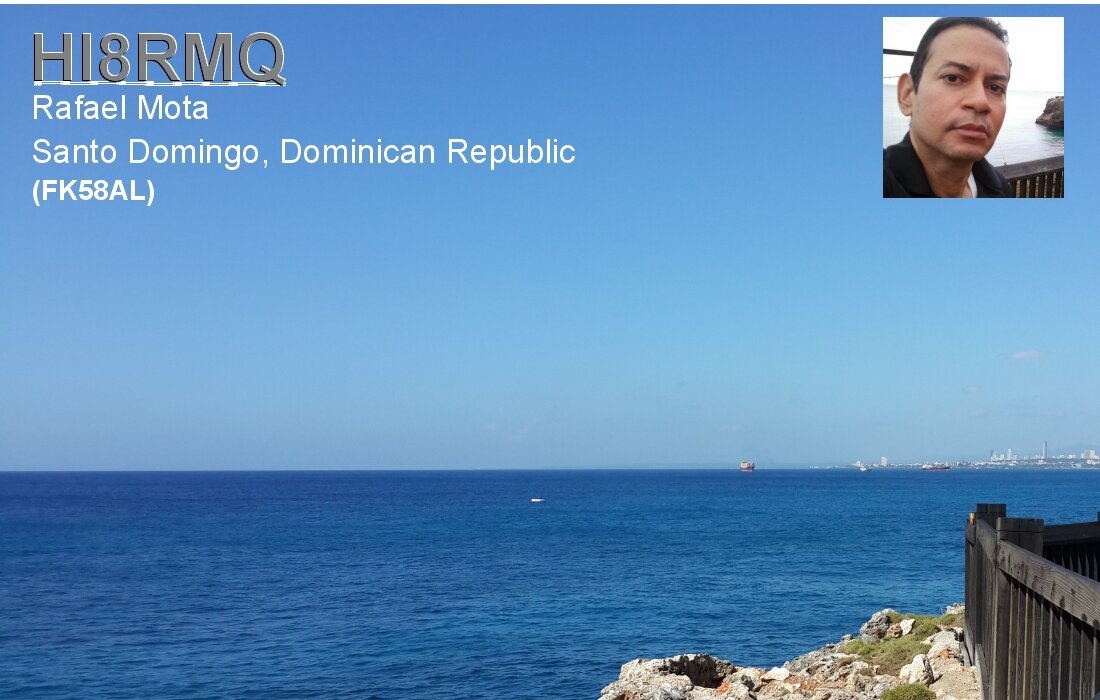
All HF bands from 160m to 6m, a 5BTV vertical and a few homemade dipoles, an Icom IC-7300, a straight key for CW, and four and a half decades of conversations across continents.
On QRZ.com I rank in the global top 100 for confirmed QSOs, with awards for every continent.
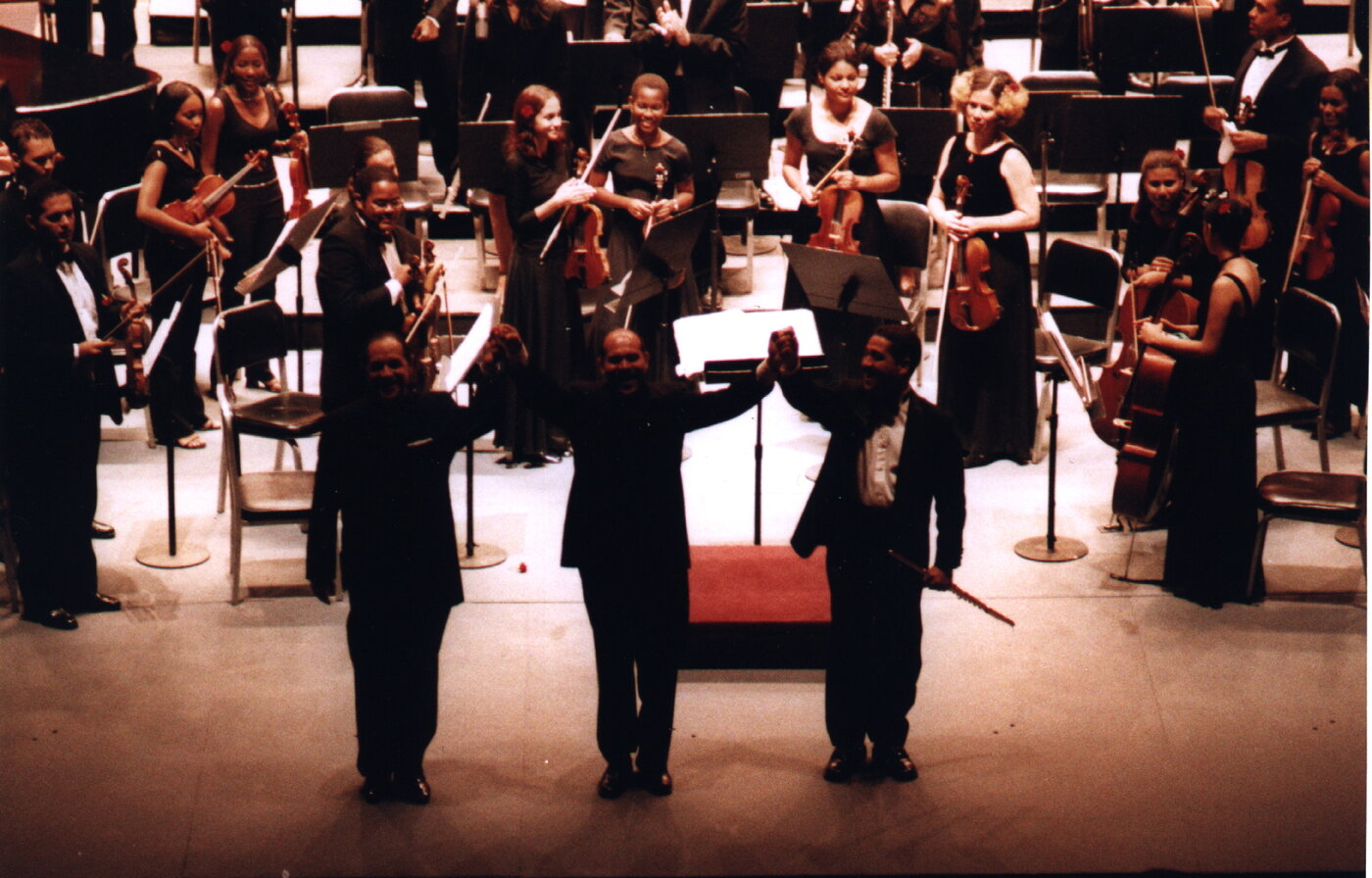
For five years I drove to the Teatro Nacional on weekends with a Sony DAT machine and a pair of cables, and I came home with the only complete archive of those concerts that exists.
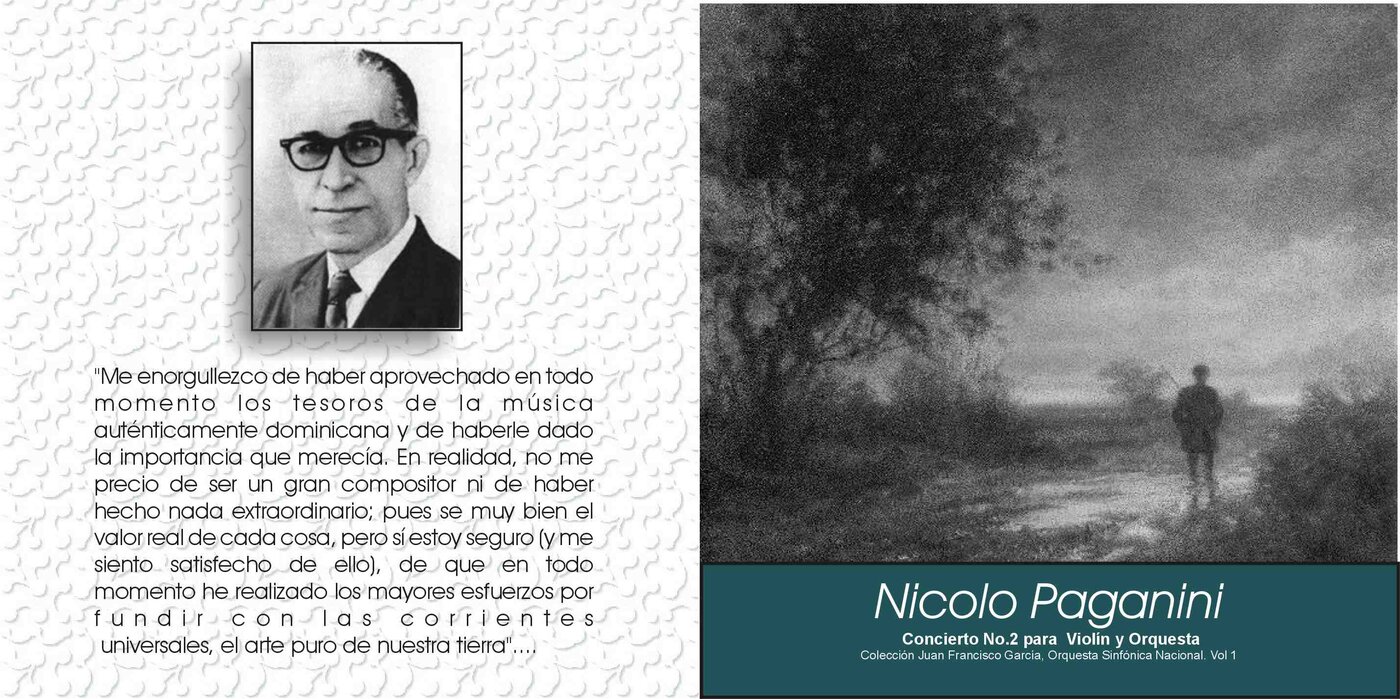
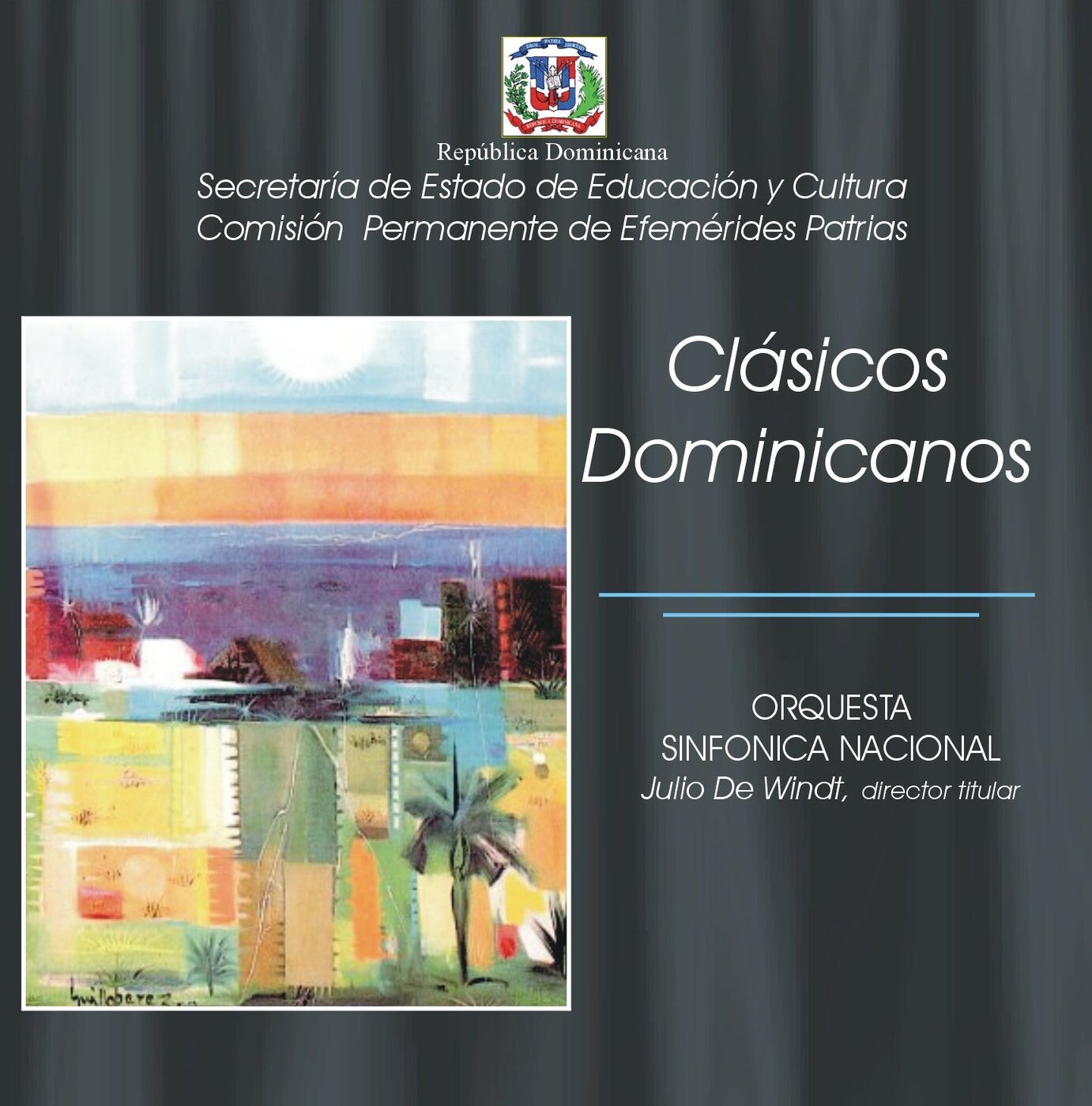
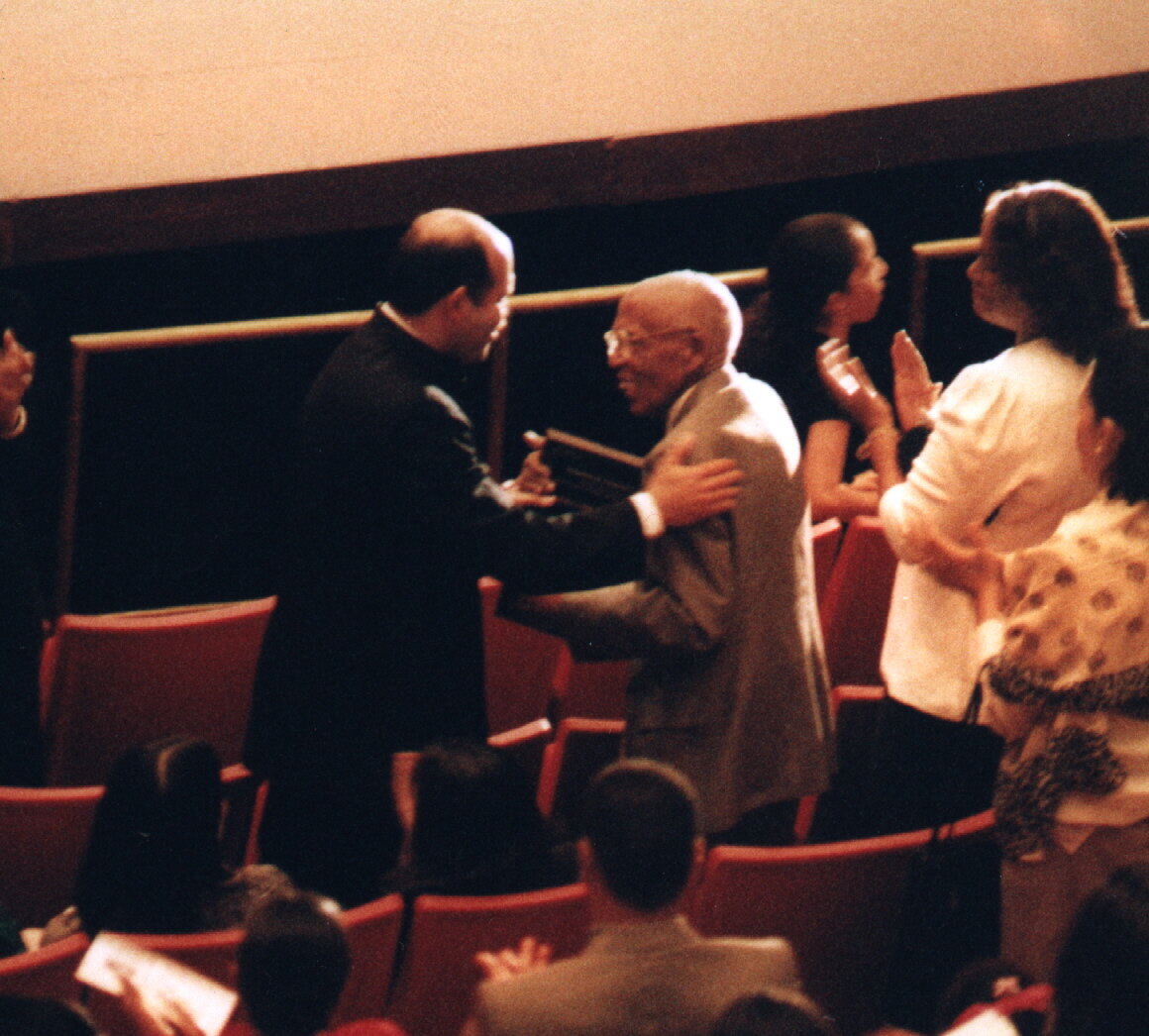
Each year a Best of volume came out of the project. I designed the covers, wrote the inside booklets, and handled all the digital-acoustic side of the production. Below: a few of those CDs.
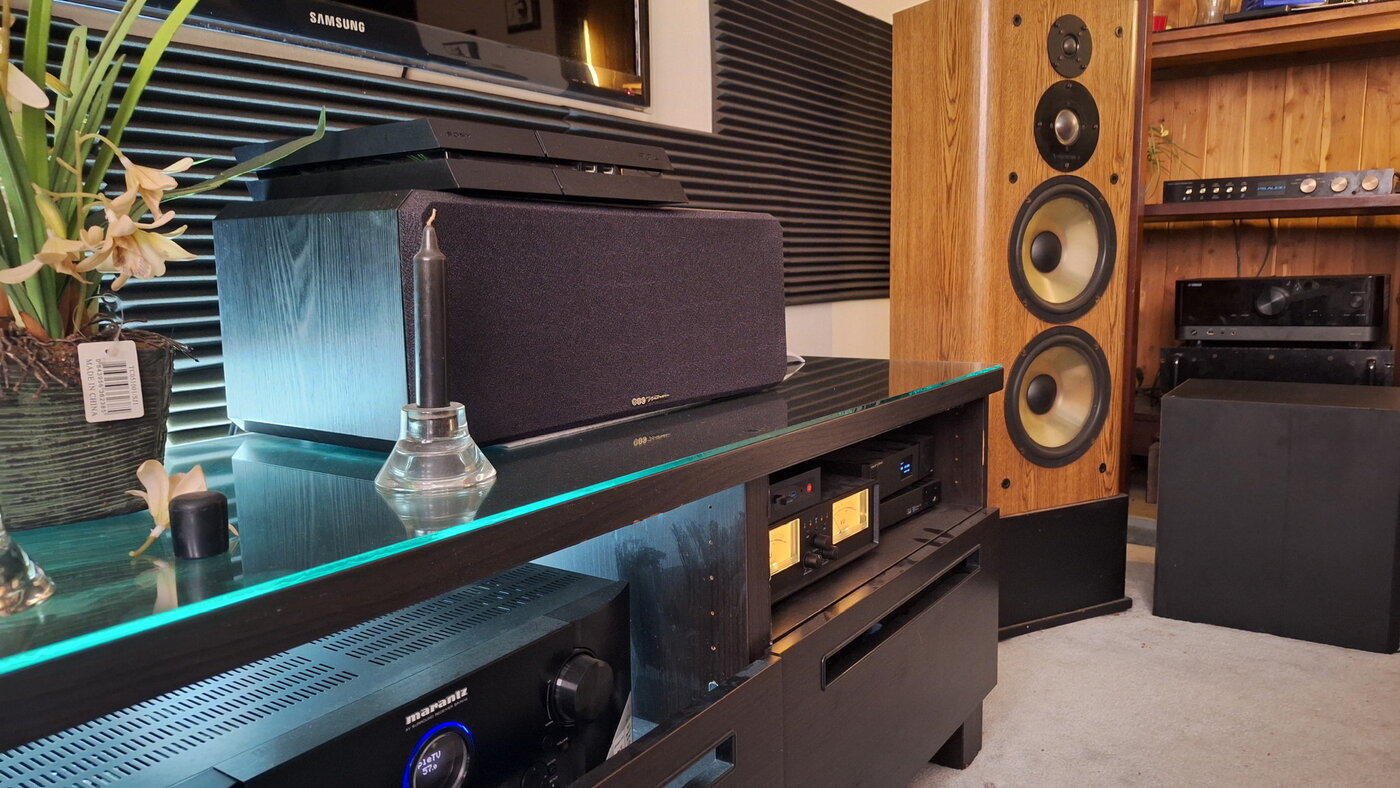
The recording years left a residue: a careful listening room. The gear changes, the practice doesn't.
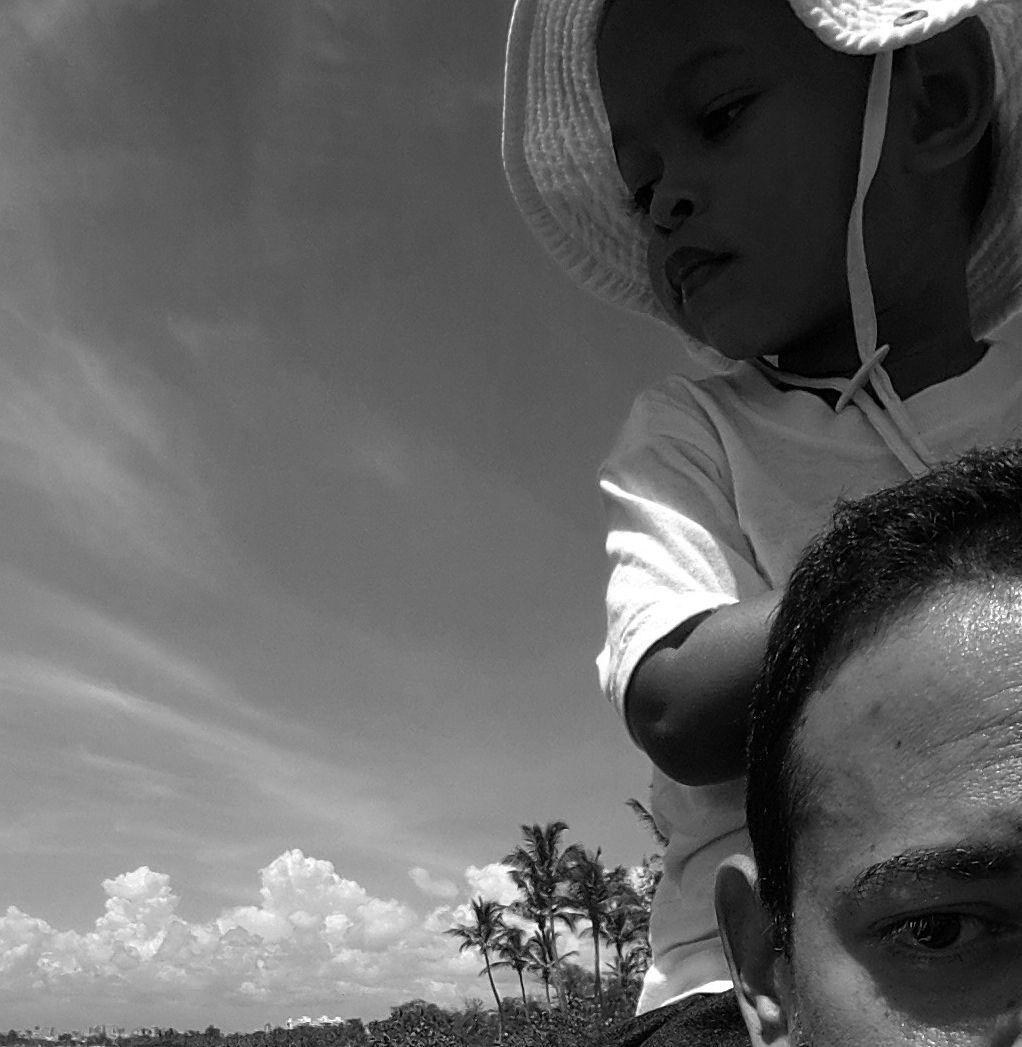
When I'm not at a keyboard or a microphone, I'm probably at a workbench, a beach, a movie at home, or a controller.
For projects, code, frequencies, or a record recommendation.